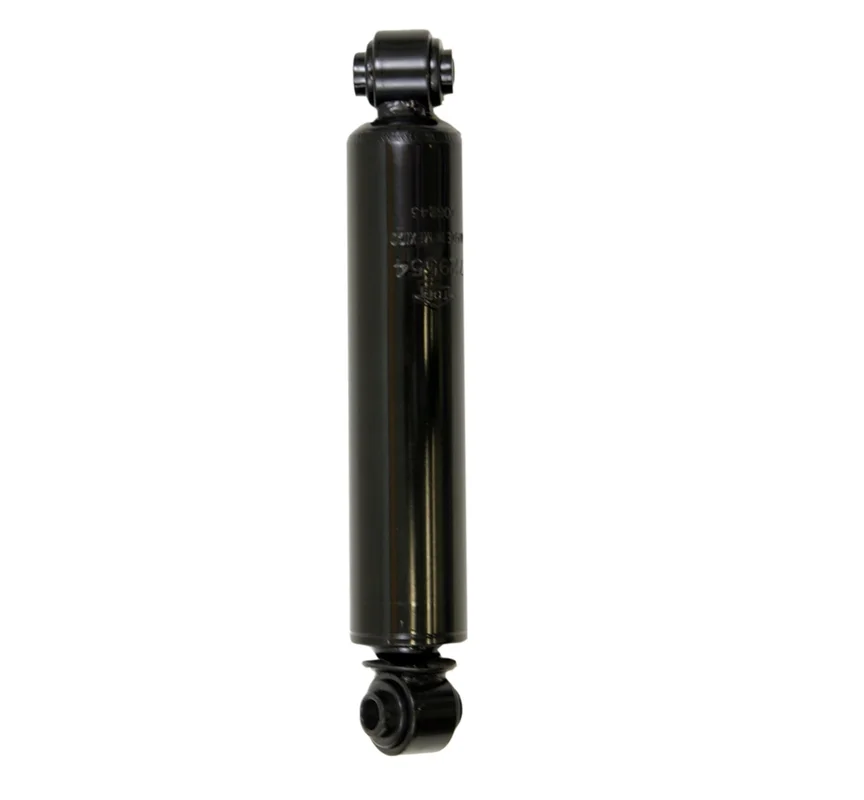
Availability: 10 in stock
Newparts SKU
1658886
Weight
3.4 lbs
Dimensions (L x W x H)
21.12 x 3.88 x 3.88 in
Manufacturer Part #
525-27
Brand
ACDelco
Position
Front
Manufacturer
ACDelco
MPN
525-27
Features
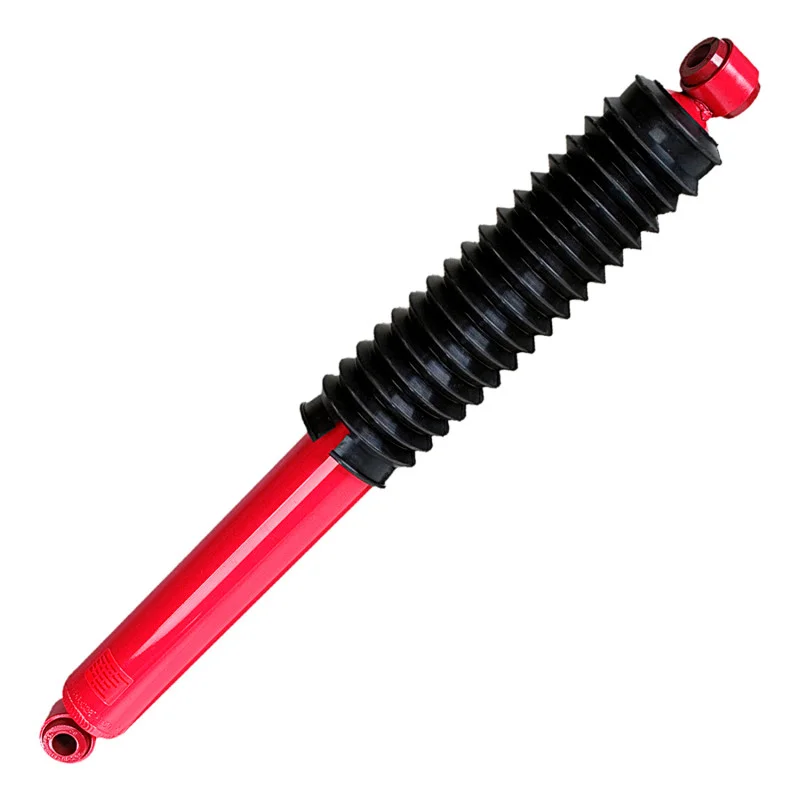
Adjustable: No Body Diameter: 2 Body Diameter: 50.8 Boot Included: No Coil Over Springs Included: No Compressed Length: 10.67 Compressed Length: 271.018 Dust Shield: No FAQ – Answer 1: Yes, though shocks and struts perform a similar function, they vary greatly in their design. Struts are an integral part of a vehicle’s suspension system, providing structural support for the vehicle and, as such, are a safety subsystem. Shocks work separately from any structural function, simply absorbing and damping the bumps from the road. FAQ – Answer 10: [delete] FAQ – Answer 2: Yes, all shocks and struts use hydraulic fluid (oil) to control damping. A gas charged shock or strut uses high-pressure nitrogen gas to reduce oil foaming during high-speed damping, and therefore maintains performance. FAQ – Answer 3: Yes, it is possible to do a quick check at home for wear on your vehicle’s shocks or struts. You can look for any physical damage to the shock or strut housing or any leaking – this is especially common on rear units that tend to have stones kicked up by the front wheels. You can also perform a bounce test by taking each corner of the vehicle and pushing down hard. The corner should drop, rise and settle again. If the body continues to move up and down, there’s a good chance your shocks need to be replaced. Though these home tests can indicate worn shocks or struts, it is also recommended that you take your vehicle to a qualified service technician and let them do a thorough inspection every 12 months or 12,000 miles. FAQ – Answer 4: Yes, if you are replacing your vehicle’s struts. However, it is not necessary to get your vehicle aligned when replacing your vehicle’s shocks unless there was or is a previous issue. FAQ – Answer 5: Yes, it is important to choose the correct shock or strut for your vehicle model and year, as well as for the location in the vehicle. FAQ – Answer 6: [delete] FAQ – Answer 7: [delete] FAQ – Answer 8: [delete] FAQ – Answer 9: [delete] FAQ – Question 1: Is there a difference between a shock and a strut? FAQ – Question 10: [delete] FAQ – Question 2: Do gas charged shocks or struts contain oil? FAQ – Question 3: Can I check my vehicle’s shocks for wear? FAQ – Question 4: Should I have my vehicle aligned after replacing my shocks or struts? FAQ – Question 5: Do I need different shocks for front, rear, left, or right applications? FAQ – Question 6: [delete] FAQ – Question 7: [delete] FAQ – Question 8: [delete] FAQ – Question 9: [delete] Features & Benefits – Bullet 1: Larger body allows for increased fluid capacity and cooler running for superior performance Features & Benefits – Bullet 10: [delete] Features & Benefits – Bullet 11: [delete] Features & Benefits – Bullet 12: [delete] Features & Benefits – Bullet 13: [delete] Features & Benefits – Bullet 14: [delete] Features & Benefits – Bullet 15: [delete] Features & Benefits – Bullet 16: [delete] Features & Benefits – Bullet 17: [delete] Features & Benefits – Bullet 18: [delete] Features & Benefits – Bullet 19: [delete] Features & Benefits – Bullet 2: Bonded iron piston and compression head provides exceptional durability Features & Benefits – Bullet 20: [delete] Features & Benefits – Bullet 3: Extra-large 1-5/8 inch piston bore and 9/16 inch piston rod diameter for excellent stability and strength Features & Benefits – Bullet 4: Heavy duty arc-welded end mounts for maximum strength and greater resistance to damage Features & Benefits – Bullet 5: The super finished, chromed, piston rod provides anti-corrosion support, a more consistent wear surface, proper seal lubrication, and longer product life Features & Benefits – Bullet 6: Fit and ride tested to ensure that the shocks will fit intended vehicles and applications Features & Benefits – Bullet 7: [delete] Features & Benefits – Bullet 8: [delete] Features & Benefits – Bullet 9: [delete] Fully Open Length (in): 16.45in Fully Open Length (mm): 417.83mm Gas Charged: No Good Maintenance Practices – Section 1 – Bullet 1: Brakes Good Maintenance Practices – Section 1 – Bullet 10: [delete] Good Maintenance Practices – Section 1 – Bullet 11: [delete] Good Maintenance Practices – Section 1 – Bullet 2: Tie rods Good Maintenance Practices – Section 1 – Bullet 3: Ball joints Good Maintenance Practices – Section 1 – Bullet 4: Tires Good Maintenance Practices – Section 1 – Bullet 5: [delete] Good Maintenance Practices – Section 1 – Bullet 6: [delete] Good Maintenance Practices – Section 1 – Bullet 7: [delete] Good Maintenance Practices – Section 1 – Bullet 8: [delete] Good Maintenance Practices – Section 1 – Bullet 9: [delete] Good Maintenance Practices – Section 1 – Header: Your vehicle’s shocks and struts slowly deteriorate over time, though this wear is normally difficult to detect. To maximize your vehicle’s ride comfort and safety, it is recommended to replace your vehicle’s shocks and struts every 50,000 miles. Worn shocks and struts can also cause additional wear to other vehicle components. Affected components include: Good Maintenance Practices – Section 2 – Bullet 1: Leaking oil or wetness along the body of the shock or strut. Good Maintenance Practices – Section 2 – Bullet 10: [delete] Good Maintenance Practices – Section 2 – Bullet 11: [delete] Good Maintenance Practices – Section 2 – Bullet 2: Broken mounts, worn or missing bushings. Good Maintenance Practices – Section 2 – Bullet 3: Broken, damaged, or missing mounting hardware. Good Maintenance Practices – Section 2 – Bullet 4: Severely dented reservoir tube, bent or scratched piston rod. Good Maintenance Practices – Section 2 – Bullet 5: Cupped tire wear. Good Maintenance Practices – Section 2 – Bullet 6: Damaged strut body springs, seats, and bushings. Good Maintenance Practices – Section 2 – Bullet 7: Defective strut bearing or missing plate. Good Maintenance Practices – Section 2 – Bullet 8: [delete] Good Maintenance Practices – Section 2 – Bullet 9: [delete] Good Maintenance Practices – Section 2 – Header: To inspect your shocks and struts to gauge wear, check for: Good Maintenance Practices – Section 3 – Bullet 1: [delete] Good Maintenance Practices – Section 3 – Bullet 10: [delete] Good Maintenance Practices – Section 3 – Bullet 11: [delete] Good Maintenance Practices – Section 3 – Bullet 2: [delete] Good Maintenance Practices – Section 3 – Bullet 3: [delete] Good Maintenance Practices – Section 3 – Bullet 4: [delete] Good Maintenance Practices – Section 3 – Bullet 5: [delete] Good Maintenance Practices – Section 3 – Bullet 6: [delete] Good Maintenance Practices – Section 3 – Bullet 7: [delete] Good Maintenance Practices – Section 3 – Bullet 8: [delete] Good Maintenance Practices – Section 3 – Bullet 9: [delete] Good Maintenance Practices – Section 3 – Header: [delete] Good Maintenance Practices – Section 4 – Bullet 1: [delete] Good Maintenance Practices – Section 4 – Bullet 10: [delete] Good Maintenance Practices – Section 4 – Bullet 11: [delete] Good Maintenance Practices – Section 4 – Bullet 2: [delete] Good Maintenance Practices – Section 4 – Bullet 3: [delete] Good Maintenance Practices – Section 4 – Bullet 4: [delete] Good Maintenance Practices – Section 4 – Bullet 5: [delete] Good Maintenance Practices – Section 4 – Bullet 6: [delete] Good Maintenance Practices – Section 4 – Bullet 7: [delete] Good Maintenance Practices – Section 4 – Bullet 8: [delete] Good Maintenance Practices – Section 4 – Bullet 9: [delete] Good Maintenance Practices – Section 4 – Header: [delete] Lower Mount Type: Eyelet Mounting Hardware Included: No Product: ACDelco Specialty Heavy Duty Shocks are specifically designed for commercial or severe application use on light trucks and vans, to help handle heavy loads. Designed to handle the heavy-duty demands of fleet applications, ACDelco Specialty Heavy Duty Shocks respond with stability and control. These shocks feature an oversized (1-5/8 in) piston bore, bonded iron piston and compression heads, large piston and piston rod diameter, and heavy duty arc welded end mounts. ⚠ WARNING:Cancer and Reproductive Harm – Programming Required: No Shock Absorber Body End Measuring Point: Center Eye Shock Absorber Rod End Measuring Point: Center Eye Shock Stroke: 146.81 Signs of Wear & Troubleshooting – Section 1 – Bullet 1: There is excessive nose dive while braking Signs of Wear & Troubleshooting – Section 1 – Bullet 10: [delete] Signs of Wear & Troubleshooting – Section 1 – Bullet 11: [delete] Signs of Wear & Troubleshooting – Section 1 – Bullet 2: Your vehicle has ‘acceleration squat’ Signs of Wear & Troubleshooting – Section 1 – Bullet 3: Your vehicle does not return to a neutral position Signs of Wear & Troubleshooting – Section 1 – Bullet 4: Your steering pulls Signs of Wear & Troubleshooting – Section 1 – Bullet 5: There is a strut mount or bearing noise Signs of Wear & Troubleshooting – Section 1 – Bullet 6: [delete] Signs of Wear & Troubleshooting – Section 1 – Bullet 7: [delete] Signs of Wear & Troubleshooting – Section 1 – Bullet 8: [delete] Signs of Wear & Troubleshooting – Section 1 – Bullet 9: [delete] Signs of Wear & Troubleshooting – Section 1 – Header: [delete] Signs of Wear & Troubleshooting – Section 2 – Bullet 1: Your ride is harsh, bumpy or shaky Signs of Wear & Troubleshooting – Section 2 – Bullet 10: [delete] Signs of Wear & Troubleshooting – Section 2 – Bullet 11: [delete] Signs of Wear & Troubleshooting – Section 2 – Bullet 2: Your vehicle bounces excessively Signs of Wear & Troubleshooting – Section 2 – Bullet 3: Your vehicle veers in side winds Signs of Wear & Troubleshooting – Section 2 – Bullet 4: Your vehicle leans or sways while turning Signs of Wear & Troubleshooting – Section 2 – Bullet 5: Your vehicle bounces excessively after hitting a bump Signs of Wear & Troubleshooting – Section 2 – Bullet 6: Your vehicle bottoms out Signs of Wear & Troubleshooting – Section 2 – Bullet 7: [delete] Signs of Wear & Troubleshooting – Section 2 – Bullet 8: [delete] Signs of Wear & Troubleshooting – Section 2 – Bullet 9: [delete] Signs of Wear & Troubleshooting – Section 2 – Header: It could be time to replace your shocks or struts if, when driving on a surface with bumps and/or dips: Signs of Wear & Troubleshooting – Section 3 – Bullet 1: If your vehicle’s height seems lower than normal when measured Signs of Wear & Troubleshooting – Section 3 – Bullet 10: [delete] Signs of Wear & Troubleshooting – Section 3 – Bullet 11: [delete] Signs of Wear & Troubleshooting – Section 3 – Bullet 2: If you notice fluid leakage from your vehicle’s shocks or struts Signs of Wear & Troubleshooting – Section 3 – Bullet 3: If your vehicle’s shocks or struts have dented or heavily scratched housings or mounts Signs of Wear & Troubleshooting – Section 3 – Bullet 4: [delete] Signs of Wear & Troubleshooting – Section 3 – Bullet 5: [delete] Signs of Wear & Troubleshooting – Section 3 – Bullet 6: [delete] Signs of Wear & Troubleshooting – Section 3 – Bullet 7: [delete] Signs of Wear & Troubleshooting – Section 3 – Bullet 8: [delete] Signs of Wear & Troubleshooting – Section 3 – Bullet 9: [delete] Signs of Wear & Troubleshooting – Section 3 – Header: Uneven patches of wear on the edges of your tire can be a sign of weak ride control (shocks or struts). This wear, called cupping, appears as scalloped dips around the surface of the tread. Other signs it could be time to replace your shocks or struts include: Signs of Wear & Troubleshooting – Section 4 – Bullet 1: [delete] Signs of Wear & Troubleshooting – Section 4 – Bullet 10: [delete] Signs of Wear & Troubleshooting – Section 4 – Bullet 11: [delete] Signs of Wear & Troubleshooting – Section 4 – Bullet 2: [delete] Signs of Wear & Troubleshooting – Section 4 – Bullet 3: [delete] Signs of Wear & Troubleshooting – Section 4 – Bullet 4: [delete] Signs of Wear & Troubleshooting – Section 4 – Bullet 5: [delete] Signs of Wear & Troubleshooting – Section 4 – Bullet 6: [delete] Signs of Wear & Troubleshooting – Section 4 – Bullet 7: [delete] Signs of Wear & Troubleshooting – Section 4 – Bullet 8: [delete] Signs of Wear & Troubleshooting – Section 4 – Bullet 9: [delete] Signs of Wear & Troubleshooting – Section 4 – Header: [delete] Travel Length: 146.81 Travel Length: 5.78 Upper Mount Type: Eyelet
Cross Reference Numbers
52527
Part Type
Suspension Shock Absorber
Fitment
Fitment Type
Vehicle Specific
| Year | Make | Model | Submodel | Notes |
|---|---|---|---|---|
| 1995 | Chevrolet | S10 | Base (2.2 L4 GAS) | |
| 1995 | Chevrolet | S10 | Base (4.3 V6 GAS) | |
| 1995 | Chevrolet | S10 | LS (2.2 L4 GAS) | |
| 1995 | Chevrolet | S10 | LS (4.3 V6 GAS) | |
| 1995 | GMC | Sonoma | SL (2.2 L4 GAS) | |
| 1995 | GMC | Sonoma | SL (4.3 V6 GAS) | |
| 1995 | GMC | Sonoma | SLE (2.2 L4 GAS) | |
| 1995 | GMC | Sonoma | SLE (4.3 V6 GAS) | |
| 1995 | GMC | Sonoma | SLS (2.2 L4 GAS) | |
| 1995 | GMC | Sonoma | SLS (4.3 V6 GAS) | |
| 1996 | Chevrolet | S10 | Base (2.2 L4 GAS) | |
| 1996 | Chevrolet | S10 | Base (4.3 V6 GAS) | |
| 1996 | Chevrolet | S10 | LS (4.3 V6 GAS) | |
| 1996 | Chevrolet | S10 | LS (2.2 L4 GAS) | |
| 1996 | GMC | Sonoma | SL (2.2 L4 GAS) | |
| 1996 | GMC | Sonoma | SL (4.3 V6 GAS) | |
| 1996 | GMC | Sonoma | SLE (4.3 V6 GAS) | |
| 1996 | GMC | Sonoma | SLE (2.2 L4 GAS) | |
| 1996 | GMC | Sonoma | SLS (2.2 L4 GAS) | |
| 1996 | GMC | Sonoma | SLS (4.3 V6 GAS) | |
| 1997 | Chevrolet | S10 | Base (4.3 V6 GAS) | |
| 1997 | Chevrolet | S10 | Base (2.2 L4 GAS) | |
| 1997 | Chevrolet | S10 | Base (BEV) | |
| 1997 | Chevrolet | S10 | LS (2.2 L4 GAS) | |
| 1997 | Chevrolet | S10 | LS (4.3 V6 GAS) | |
| 1997 | GMC | Sonoma | SL (2.2 L4 GAS) | |
| 1997 | GMC | Sonoma | SL (4.3 V6 GAS) | |
| 1997 | GMC | Sonoma | SLE (4.3 V6 GAS) | |
| 1997 | GMC | Sonoma | SLE (2.2 L4 GAS) | |
| 1997 | GMC | Sonoma | SLS (2.2 L4 GAS) | |
| 1997 | GMC | Sonoma | SLS (4.3 V6 GAS) | |
| 1998 | Chevrolet | S10 | Base (4.3 V6 GAS) | |
| 1998 | Chevrolet | S10 | Base (BEV) | |
| 1998 | Chevrolet | S10 | Base (2.2 L4 GAS) | |
| 1998 | Chevrolet | S10 | LS (2.2 L4 GAS) | |
| 1998 | Chevrolet | S10 | LS (4.3 V6 GAS) | |
| 1998 | GMC | Sonoma | SL (4.3 V6 GAS) | |
| 1998 | GMC | Sonoma | SL (2.2 L4 GAS) | |
| 1998 | GMC | Sonoma | SLE (2.2 L4 GAS) | |
| 1998 | GMC | Sonoma | SLE (4.3 V6 GAS) | |
| 1998 | GMC | Sonoma | SLS (4.3 V6 GAS) | |
| 1998 | GMC | Sonoma | SLS (2.2 L4 GAS) | |
| 1999 | Chevrolet | S10 | Base (BEV) | |
| 1999 | Chevrolet | S10 | Base (2.2 L4 GAS) | |
| 1999 | Chevrolet | S10 | Base (4.3 V6 GAS) | |
| 1999 | Chevrolet | S10 | LS (4.3 V6 GAS) | |
| 1999 | Chevrolet | S10 | LS (2.2 L4 GAS) | |
| 1999 | GMC | Sonoma | SL (2.2 L4 GAS) | |
| 1999 | GMC | Sonoma | SL (4.3 V6 GAS) | |
| 1999 | GMC | Sonoma | SLE (4.3 V6 GAS) | |
| 1999 | GMC | Sonoma | SLE (2.2 L4 GAS) | |
| 1999 | GMC | Sonoma | SLS (2.2 L4 GAS) | |
| 1999 | GMC | Sonoma | SLS (4.3 V6 GAS) | |
| 2000 | Chevrolet | S10 | Base (4.3 V6 GAS) | |
| 2000 | Chevrolet | S10 | Base (2.2 L4 GAS) | |
| 2000 | Chevrolet | S10 | Base (BEV) | |
| 2000 | Chevrolet | S10 | LS (2.2 L4 GAS) | |
| 2000 | Chevrolet | S10 | LS (4.3 V6 GAS) | |
| 2000 | GMC | Sonoma | SL (2.2 L4 GAS) | |
| 2000 | GMC | Sonoma | SL (4.3 V6 GAS) | |
| 2000 | GMC | Sonoma | SLE (2.2 L4 GAS) | |
| 2000 | GMC | Sonoma | SLE (4.3 V6 GAS) | |
| 2000 | GMC | Sonoma | SLS (4.3 V6 GAS) | |
| 2000 | GMC | Sonoma | SLS (2.2 L4 GAS) | |
| 2001 | Chevrolet | S10 | Base (2.2 L4 FLEX) | |
| 2001 | Chevrolet | S10 | Base (4.3 V6 GAS) | |
| 2001 | Chevrolet | S10 | LS (2.2 L4 FLEX) | |
| 2001 | Chevrolet | S10 | LS (4.3 V6 GAS) | |
| 2001 | GMC | Sonoma | SL (4.3 V6 GAS) | |
| 2001 | GMC | Sonoma | SL (2.2 L4 FLEX) | |
| 2001 | GMC | Sonoma | SLE (2.2 L4 FLEX) | |
| 2001 | GMC | Sonoma | SLE (4.3 V6 GAS) | |
| 2001 | GMC | Sonoma | SLS (2.2 L4 FLEX) | |
| 2001 | GMC | Sonoma | SLS (4.3 V6 GAS) | |
| 2002 | Chevrolet | S10 | Base (2.2 L4 FLEX) | |
| 2002 | Chevrolet | S10 | Base (4.3 V6 GAS) | |
| 2002 | Chevrolet | S10 | LS (2.2 L4 FLEX) | |
| 2002 | Chevrolet | S10 | LS (4.3 V6 GAS) | |
| 2002 | GMC | Sonoma | SL (2.2 L4 FLEX) | |
| 2002 | GMC | Sonoma | SL (4.3 V6 GAS) | |
| 2002 | GMC | Sonoma | SLS (4.3 V6 GAS) | |
| 2002 | GMC | Sonoma | SLS (2.2 L4 FLEX) | |
| 2003 | Chevrolet | S10 | Base (2.2 L4 GAS) | |
| 2003 | Chevrolet | S10 | Base (4.3 V6 GAS) | |
| 2003 | Chevrolet | S10 | LS (2.2 L4 GAS) | |
| 2003 | Chevrolet | S10 | LS (4.3 V6 GAS) | |
| 2003 | GMC | Sonoma | SL (2.2 L4 GAS) | |
| 2003 | GMC | Sonoma | SL (4.3 V6 GAS) | |
| 2003 | GMC | Sonoma | SLS (4.3 V6 GAS) | |
| 2003 | GMC | Sonoma | SLS (2.2 L4 GAS) | |
| 1992 | GMC | Jimmy | Base (4.3 V6 GAS) | |
| 1992 | GMC | Jimmy | SLE (4.3 V6 GAS) | |
| 1992 | GMC | Jimmy | SLT (4.3 V6 GAS) | |
| 1993 | GMC | Jimmy | Base (4.3 V6 GAS) | |
| 1993 | GMC | Jimmy | SLE (4.3 V6 GAS) | |
| 1993 | GMC | Jimmy | SLS (4.3 V6 GAS) | |
| 1993 | GMC | Jimmy | SLT (4.3 V6 GAS) | |
| 1994 | GMC | Jimmy | Base (4.3 V6 GAS) | |
| 1994 | GMC | Jimmy | SLE (4.3 V6 GAS) | |
| 1994 | GMC | Jimmy | SLS (4.3 V6 GAS) |
There are more vehicles this part is compatible with. Check if it fits your vehicle.